The Mini MBA
PRIZM
EXECUTIVE
DEVELOPMENT
PROGRAM
Term One
This is a novel, one-of-a-kind, unprecedented module for a business skills training program. It
provides a step-by-step process of identifying and analyzing opportunities for exponential
growth in any industry. Run by industry insiders with decades of experience, the module helps
the executives in classifying the industry of their choice into emerging, growing, maturing,
consolidated, fragmented, or declining industry. While defining industry boundaries is a key
component of the module, finetuning them reveals opportunities for exponential business
growth. The module addresses the age-old subject of industry insight from the standpoint of
exponential growth. It takes analysis beyond understanding industry dynamics and into
comprehending industry ecosystem the decision makers need to base their decisions on.
Participants of the module gain expertise to the extent of taking up high-end consulting
assignments.
The objective of the module is to provide executives with the knowledge and skills to leverage business intelligence (BI) and analytics for strategic decision-making, operational efficiency, and competitive advantage. The module trains executives on data reporting, advanced analytics, big data analytics, data-driven decision making, and AI-based decision making. It also provides training on data collection using machine generated data, experiments, survey/questionnaire, interviews, and focus group discussions. It trains executives on content analysis, and thematic analysis.
The module introduces Microsoft Power BI and Nvivo for Data Analytics as tools for Business Intelligence & Analytics. Participants learn to use these tools for performing various data analytics functions.
The module starts with the introduction of the Conceptual frameworks of decision making, i.e. Prisoner’s Dilemma, Nash Equilibrium, Zero-Sum Games, and Non-Zero-Sum Games. It also introduces Agile decision-making models, i.e. Scrum, Kanban, Cynefin and RICE Scoring. These models focus on decentralizing authority, continuous feedback, and prioritizing value.
It outlines the 7-step process of decision making: defining the problem, gathering data, developing alternatives, evaluating alternatives, making the decision, taking action, and reviewing results. The module culminates in a practitioners’ round table on decision making.
Lead by seasoned academics and management practitioners, it provides hands-on training to the participating executives in a variety of real-life decision-making situations. The participating executives learn using impact-uncertainty framework to deal with risk and uncertainty while making business decisions. They are sensitized to the ownership of risk and uncertainty and the limits on decision makers, which is a leadership trait in itself.
The participating executives walk out of the training room with ready-to-use decision making tools and become better business leaders.
While flashy service experience prevails and products loaded with features that are seldom used are high in demand, the discussion on minimalism crept into business discussion in 1960s . It was in 1965 when minimalism was coined as a concept by a design artist named Richard Wollheim in New York. A similar term “a minimum of operating means” was used by John Graham in the late 1920s.
Relevance of minimalism to business originated from a combination of traditional Japanese design esthetics “ma” and the mid 20th century post-world war II western art movements of 1960s – 1970s that favored simplicity, functionality and “less is more” philosophy. Minimalism arose as a functional clean-lined reaction to consumerist opulence, heavily influencing branding, product design, and corporate strategy.
The debate on minimalism in business practices continues to grow. PRIZM Institute offers its platform to product management professionals, product designers, user experience designers and product management generalists to express themselves on this hot business topic. Join the debate and be counted as a product design enthusiast.
We believe in mingling with industry stalwarts in meaningful ways. While social interactions with the industry’s stalwarts remain at the core of this very well thought through event, understanding the industry ecosystem, best practices, and opportunities for employment remain pragmatic intended outcomes related to the event.
We have the honor of hosting CEOs of Fast Cables Limited, Royal Tag Private Limited, and Darrhhi Mooch Private Limited at the event.
The module trains executives on the fundamentals of Smart Living. Specifically, it provides hands-on training on what IoT, AI, and Data Analytics are and how the three integrate to create exceptional value for businesses and customers. Delivered in a workshop format, the module takes up real life projects to help businesses, households and commercial ventures in adding exceptional value to life and profitability of businesses. The module is particularly useful for startup entrepreneurial businesses because it helps them in addressing customers’ pain points in novel ways. It is equally useful for domain specialists and policymakers, including designers, urban planners, computer engineers, and real estate developers.
Smart Living appeals equally to the rational and emotional needs of users. It is a concept under which IoT, AI, and Data analytics are integrated into urban, residential, commercial, and work environments to enhance efficiency, quality of life, and sustainability. In business, it drives new services focusing on automation, convenience, security, and energy management for users aesthetically.
This module equips individuals with skills essential to identify, manage, and resolve disputes professionally, turning disagreements into opportunities for collaboration. Key techniques include active listening, emotional intelligence, negotiation, and mediation. It enhances communication, reduces workplace stress, and fosters a productive organizational culture. It focuses on building strong communication skills, emotional intelligence, and empathy. It also helps improve communication, calmness, clarification, collaboration, and compromise. The training lead uses role-playing and case studies for effective learning.
Benefitting from Jehn’s model, the module categorizes conflicts into task conflict, process conflict, and relationship conflict. It helps assess the dual impact of conflict, improve Groupthink, and stimulate creativity. Direct benefits of the module include reduced turnover, improved relationships, reduced litigation and related costs, and enhanced productivity. Further, it enables executives to handle difficult conversations and employee disputes confidently.
Term Two
The focus of the module is building practical, robust, and dynamic Excel-based models for corporate valuation, forecasting, and strategic decision-making. It covers three statement modeling, mergers & acquisition modelling, LBO modelling, as well as scenario planning. Designed for middle to senior level finance professionals; this module introduces Financial Models that are used in routine financial management practices, investors and analysts. The module is divided into three parts: Financial Models, Optimization Models, and Forecasting Models.
Under Financial Models, the Participating executives learn discounted cashflow model, profit & loss model or Income Statement Model, and Budgeting & Forecasting Model.Under Optimization Models, participants learn Linear Programming and Integer Programming.
They also learn Break Even Analysis and Monte Carlo Simulation. In addition, they learn Discounted Cashflow models as well as Capital Budgeting.
The module focuses on designing, delivering, and transforming organizational structures to align with strategy, improve efficiency, and support innovation. It trains executives on how to use tools like the Operating Model Canvas, designing customer-centric value streams, and managing governance, digital integration, and organizational change. It helps participants in Understanding the multidimensional components (structure, processes, technology, people) that form the Target Operating Model (TOM). It helps participants in learning Developing decision-rights, accountability frameworks, and organizational structures (e.g., from functional silos to value- driven models). Designed for the entry level and middle management level operations professionals, the module takes their skills to the next level.
The module covers Customer Satisfaction Model, TQM Model, Problem Solving Models, Creativity Models, Productivity Models, Mathematical Models, and KAIZEN Tools. It also covers Inventory Management as well as Manufacturing Models.
The use of classic 4 Ps of marketing is not sufficient in today’s transformation economy in which incremental business growth is not enough. As exponential growth is need for the hour, we need to expand the traditional marketing mix. The module is based on the 12 Ps of the marketing framework. The framework expands the traditional marketing mix as it adds partnerships, purpose, and philosophy to the classic marketing program alongside public pressure and politics.
In the spirit of exponential business growth, the module uses the 6 Ds framework of exponential business growth: Digitization, Deception, Disruption, Demonetization, Dematerialization, and Democratization.
It is a data driven, simulation-based training module that trains executives on making informed, pragmatic decisions. Participating executives make real time decisions, monitor performance, fine tune the marketing program, and reach the optimal marketing ROI.
We believe in mingling with industry stalwarts in meaningful ways. While social interactions with the industry’s stalwarts remain at the core of this very well thought through event, understanding the industry ecosystem, best practices, and opportunities for employment remain pragmatic intended outcomes related to the event.
We have the honor of hosting CEOs of Fast Cables Limited, Royal Tag Private Limited, and Darrhhi Mooch Private Limited at the event.
This module focuses on cultivating cognitive agility, emotional regulation and sustainable energy management to thrive under extreme circumstances. The module combines psychological tools with practical health strategies to prevent burnout and enhance long-term performance.
The module focuses on training in avoiding “thinking traps,” adopting a positive mindset, and changing internal narratives to manage stress effectively. It helps in developing emotional intelligence (EI) to manage fear, anxiety, and cultivate compassion. Integrating physical health— specifically sleep, nutrition, and exercise—with mental resilience to maintain high performance is one of the core objectives of the module. It offers practical techniques for fostering mindfulness, increasing focus, and achieving a better work-life balance. Upon completing the module, executives are able to build a resilience toolkit for handling crises, fostering adaptability, and learning from setbacks.
This module equips professionals with skills in sales, marketing strategy execution, client relationship management (CRM), and strategic planning to foster exponential company growth, drive revenue, and identify new market opportunities for exponential growth. Key training components include negotiation techniques, networking skills, market analysis, and AI tools utilization, all keeping in focus opportunities for exponential growth. Because mere incremental growth is not sufficient in our times, the times of transformation economy.Key components include sales negotiations, strategic territory planning, client relationship management, digital and analytical skills, and exploring and developing new geographic markets.
In-person training, including specialized sessions in business hubs, workshops in chambers of commerce & industry and On-the-job training: Mentorship and practical applications are some of the tools to be used for training.
Entrepreneurs and small business owners, Business Development Managers (BDMs), sales executives, partnership managers, and marketing professionals are the intended beneficiaries of the module.
The objective of the module is to learn how to turn a group of individuals into a cohesive unit that shares goals, trust, and respect. The module brings together 5 Ps of team building: Purpose, People, Process, Place, and Progress. This is an activity-based module consisting of personality- based, problem-solving, and skill-based activities both in the physical and virtual world. The module is equally useful for remote teams.
The module walks the participants through the team building process: Forming, Storming, Norming, Performing and Adjourning; with the help of engaging activities. The concept of Virtuoso Teams is inculcated to instill the cutting edge, high performing team spirit. The module crafts ground-breaking, immersive team experiences that ignite teamwork, unlock hidden strengths, and propel your business forward.
The module trains the participating executives on instilling positive behavior, avoiding gossip, and ensuring equitable, merit-based recognition as the foundational practices for dealing with organizational politics. Through a series of learning activities, the participating executives learn to build strong, diverse relationships, maintain transparency, and ensure integrity to foster trust; as foundations of the module. They develop political acumen and learn to understand formal and informal power structures within their organizations. They also learn to foster transparency, better interpersonal communication to develop the culture of collaboration. The ultimate objective is to mitigate negative behaviors, especially gossip and favoritism.
Through a series of learning activities, participants learn mapping informal power dynamics, cultivating networks of allies, resolving conflicts, avoiding backstabbing, and promoting transparency while focusing on goals.
Term Three
This module trains executives on brand building with the help of branding models i.e. CBBE model, BRANDZ model, Dvid Aaker’s model and DEREK model. It covers all aspects of branding from a practitioner’s standpoint. In that it trains participants on all the tools brand managers need, e.g. brand audit, brand brief, brand activation, and brand revitalization. They learn to apply these tools on a brand of their choice through a project we call the Baby Brand project. The very name of the project highlights the sensitive and delicate nature of brands. They must be nurtured, protected and taken care of like babies.
An important component of the module building executives personal brand using Stanford life design framework, Bagva Map of energy management, and Agile management practices. It also includes nations’ best wardrobe advice and executive diet regimes by seasoned dietitians. Use of equine assisted experiential learning as well as aquatic assisted experiential learning makes personal branding a robust and comprehensive exercise.
This module addresses project management from a strategic angle. It aims to improve the effectiveness of projects in addition to efficiency. Introducing agile practices in project management, the module prepares executives to overcome the complexities of project management in the contemporary dynamic business environment.
The module goes beyond traditional project management and equips executives with the strategic techniques, skills, and tools to successfully achieve organizational and project-related goals. Over the course of eight weeks, executives will learn to apply strategic thinking by aligning project, program, or portfolio goals to an organization’s strategic plans. They will also gain the ability to lead and manage project teams in an agile manner. Throughout the course executives will familiarize themselves with a toolkit of strategic project management resources that they can use after completing the course.
This course is geared toward project management professionals looking to validate and expand their strategic expertise. Senior executives and managers involved in strategic decisions and functional specialists in operational roles will benefit from completing this course, as will those who need to drive strategic project management through execution. The course is also suited for business unit heads who want to transition from an operational to a more strategic role.
The module brings together two different but interrelated concepts, i.e. Time Management and Energy Management. Time management focuses on optimizing the 24-hour availability by scheduling tasks and setting deadlines to increase efficiency. Energy management focuses on managing physical, mental, and emotional stamina to maximize productivity and prevent burnout. While time is finite, energy is renewable; managing energy allows for higher quality output in less time.
The module provides a useful framework to cope with burnout and fatigue, improve flexibility, and optimize performance in today’s fast-paced work environment. It enables participants to audit their energy, schedule tasks by energy, and build in energy.
The module helps participants in better coordination of mind, body, and emotions to optimize performance.
The module improves self-awareness, empathy, relationship management, self-regulation, and social awareness. Based on the Daniel Goleman model, the module is offered through coaching and workshops to help professionals manage emotions and improve their performance.
Specifically, the module trains participants on empathy, social skills, self-awareness, self- regulation, and motivation. It includes practicing active listening, managing emotions and understanding others’ perspectives. The direct benefits of the module include fostering better relationships, improvement in decision-making, improved personal wellbeing, and workplace performance.
Participating executives learn the following science-based techniques during the training
1. Emotion labeling and affective journaling
2. Mindfulness based attention exercises
3. Perspective taking and role play
4. Cognitive reappraisal
5. Socratic questioning & emotional belief work
6. The if-then emotion regulation plan
Upon completion, the module leads to better conflict resolution, higher job satisfaction, improved leadership capability, and stronger team cohesion.
Our growth, whether business or personal, is largely limited by our mindset. Therefore, to achieve growth, particularly exponential growth, we need to bring about paradigm shift in our mindset. This module helps executives achieve just that.
It helps participants shift into growth mindset by treating mistakes as education, Using AI to extend thinking, not replacing it, rebuilding with new rules and fighting for your work.
The module, based on the work by Carol Dweck, a professor at Stanford and an authority on the subject, trains executives on embracing challenges, persisting in the face of setbacks, seeing efforts as the path to mastery, learning from criticism, and finding lessons, and more importantly, inspiration in the success of others. Ever higher level of achievement is the intended result of the module.
We believe in mingling with industry stalwarts in meaningful ways. While social interactions with the industry’s stalwarts remain at the core of this very well thought through event, understanding the industry ecosystem, best practices, and opportunities for employment remain pragmatic intended outcomes related to the event.
We have the honor of hosting CEOs of Fast Cables Limited, Royal Tag Private Limited, and Darrhhi Mooch Private Limited at the event.
- Exponential Growth
- Business Intelligence
- Exponential Organization
This is a novel, one-of-a-kind, unprecedented module for a business skills training program. It provides a step-by-step process of identifying and analyzing opportunities for exponential growth in any industry. Run by industry insiders with decades of experience, the module helps the executives in classifying the industry of their choice into emerging, growing, maturing, consolidated, fragmented, or declining industry. While defining industry boundaries is a key component of the module, finetuning them reveals opportunities for exponential business growth. The module addresses the age-old subject of industry insight from the standpoint of exponential growth. It takes analysis beyond understanding industry dynamics and into comprehending industry ecosystem the decision makers need to base their decisions on. Participants of the module gain expertise to the extent of taking up high-end consulting assignments.
This module provides executives with the knowledge and skills to leverage business intelligence (BI) and analytics for strategic decision-making, operational efficiency, and competitive advantage. It discusses the evolution of BI from data reporting to advanced analytics, and guides where to use BI, Data Analytics, and Data Science. While highlighting the importance of Qualitative and Quantitative Data, the module introduces Big Data Analytics and Data-Driven Decision Making along with AI-based decision making.
The module trains executives on qualitative data collection and helps identify sources of Big Data. It provides hands on training on data generation through machines, experiments, surveys, questionnaire, interviews, focus group discussions, direct observations, photos, books, and social media.
This module introduces Massive Transformative purpose (MTP) as a foundation of an (exponential) organization. The module revolves around two acronyms: SCALE, for external analysis, and IDEAS for internal analysis. (S)taff on demand, (C)ommunity & Crowd,A)lgorithms, (L)everaged assets, and (E)ngagement are used to perform external analysis for an Exponential Organization (EXO).
The module starts with the introduction of the Conceptual frameworks of decision making, i.e. Prisoner’s Dilemma, Nash Equilibrium, Zero-Sum Games, and Non-Zero-Sum Games. It also introduces Agile decision-making models, i.e. Scrum, Kanban, Cynefin and RICE Scoring. These models focus on decentralizing authority, continuous feedback, and prioritizing value.
It outlines the 7-step process of decision making: defining the problem, gathering data, developing alternatives, evaluating alternatives, making the decision, taking action, and reviewing results. The module culminates in a practitioners’ round table on decision making.
Lead by seasoned academics and management practitioners, it provides hands-on training to the participating executives in a variety of real-life decision-making situations. The participating executives learn using impact-uncertainty framework to deal with risk and uncertainty while making business decisions. They are sensitized to the ownership of risk and uncertainty and the limits on decision makers, which is a leadership trait in itself.
The participating executives walk out of the training room with ready-to-use decision making tools and become better business leaders.
While flashy service experience prevails and products loaded with features that are seldom used are high in demand, the discussion on minimalism crept into business discussion in 1960s . It was in 1965 when minimalism was coined as a concept by a design artist named Richard Wollheim in New York. A similar term “a minimum of operating means” was used by John Graham in the late 1920s.
Relevance of minimalism to business originated from a combination of traditional Japanese design esthetics “ma” and the mid 20th century post-world war II western art movements of 1960s – 1970s that favored simplicity, functionality and “less is more” philosophy. Minimalism arose as a functional clean-lined reaction to consumerist opulence, heavily influencing branding, product design, and corporate strategy.
The debate on minimalism in business practices continues to grow. PRIZM Institute offers its platform to product management professionals, product designers, user experience designers and product management generalists to express themselves on this hot business topic. Join the debate and be counted as a product design enthusiast.
We believe in mingling with industry stalwarts in meaningful ways. While social interactions with the industry’s stalwarts remain at the core of this very well thought through event, understanding the industry ecosystem, best practices, and opportunities for employment remain pragmatic intended outcomes related to the event.
We have the honor of hosting CEOs of Fast Cables Limited, Royal Tag Private Limited, and Darrhhi Mooch Private Limited at the event.
The module trains executives on the fundamentals of Smart Living. Specifically, it provides hands-on training on what IoT, AI, and Data Analytics are and how the three integrate to create exceptional value for businesses and customers. Delivered in a workshop format, the module takes up real life projects to help businesses, households and commercial ventures in adding exceptional value to life and profitability of businesses. The module is particularly useful for startup entrepreneurial businesses because it helps them in addressing customers’ pain points in novel ways. It is equally useful for domain specialists and policymakers, including designers, urban planners, computer engineers, and real estate developers.
Smart Living appeals equally to the rational and emotional needs of users. It is a concept under which IoT, AI, and Data analytics are integrated into urban, residential, commercial, and work environments to enhance efficiency, quality of life, and sustainability. In business, it drives new services focusing on automation, convenience, security, and energy management for users aesthetically.
The focus of the module is building practical, robust, and dynamic Excel-based models for corporate valuation, forecasting, and strategic decision-making. It covers three statement modeling, mergers & acquisition modelling, LBO modelling, as well as scenario planning. Designed for middle to senior level finance professionals; this module introduces Financial Models that are used in routine financial management practices, investors and analysts. The module is divided into three parts: Financial Models, Optimization Models, and Forecasting Models.
Under Financial Models, the Participating executives learn discounted cashflow model, profit & loss model or Income Statement Model, and Budgeting & Forecasting Model.Under Optimization Models, participants learn Linear Programming and Integer Programming.
They also learn Break Even Analysis and Monte Carlo Simulation. In addition, they learn Discounted Cashflow models as well as Capital Budgeting.
The module focuses on designing, delivering, and transforming organizational structures to align with strategy, improve efficiency, and support innovation. It trains executives on how to use tools like the Operating Model Canvas, designing customer-centric value streams, and managing governance, digital integration, and organizational change. It helps participants in Understanding the multidimensional components (structure, processes, technology, people) that form the Target Operating Model (TOM). It helps participants in learning Developing decision-rights, accountability frameworks, and organizational structures (e.g., from functional silos to value- driven models). Designed for the entry level and middle management level operations professionals, the module takes their skills to the next level.
The module covers Customer Satisfaction Model, TQM Model, Problem Solving Models, Creativity Models, Productivity Models, Mathematical Models, and KAIZEN Tools. It also covers Inventory Management as well as Manufacturing Models.
The use of classic 4 Ps of marketing is not sufficient in today’s transformation economy in which incremental business growth is not enough. As exponential growth is need for the hour, we need to expand the traditional marketing mix. The module is based on the 12 Ps of the marketing framework. The framework expands the traditional marketing mix as it adds partnerships, purpose, and philosophy to the classic marketing program alongside public pressure and politics.
In the spirit of exponential business growth, the module uses the 6 Ds framework of exponential business growth: Digitization, Deception, Disruption, Demonetization, Dematerialization, and Democratization.
It is a data driven, simulation-based training module that trains executives on making informed, pragmatic decisions. Participating executives make real time decisions, monitor performance, fine tune the marketing program, and reach the optimal marketing ROI.
This module trains executives on brand building with the help of branding models i.e. CBBE model, BRANDZ model, Dvid Aaker’s model and DEREK model. It covers all aspects of branding from a practitioner’s standpoint. In that it trains participants on all the tools brand managers need, e.g. brand audit, brand brief, brand activation, and brand revitalization. They learn to apply these tools on a brand of their choice through a project we call the Baby Brand project. The very name of the project highlights the sensitive and delicate nature of brands. They must be nurtured, protected and taken care of like babies.
An important component of the module building executives personal brand using Stanford life design framework, Bagva Map of energy management, and Agile management practices. It also includes nations’ best wardrobe advice and executive diet regimes by seasoned dietitians. Use of equine assisted experiential learning as well as aquatic assisted experiential learning makes personal branding a robust and comprehensive exercise.
The objective of the module is to provide executives with the knowledge and skills to leverage business intelligence (BI) and analytics for strategic decision-making, operational efficiency, and competitive advantage. The module trains executives on data reporting, advanced analytics, big data analytics, data-driven decision making, and AI-based decision making. It also provides training on data collection using machine generated data, experiments, survey/questionnaire, interviews, and focus group discussions. It trains executives on content analysis, and thematic analysis.
The module introduces Microsoft Power BI and Nvivo for Data Analytics as tools for Business Intelligence & Analytics. Participants learn to use these tools for performing various data analytics functions.
This module addresses project management from a strategic angle. It aims to improve the effectiveness of projects in addition to efficiency. Introducing agile practices in project management, the module prepares executives to overcome the complexities of project management in the contemporary dynamic business environment.
The module goes beyond traditional project management and equips executives with the strategic techniques, skills, and tools to successfully achieve organizational and project-related goals. Over the course of eight weeks, executives will learn to apply strategic thinking by aligning project, program, or portfolio goals to an organization’s strategic plans. They will also gain the ability to lead and manage project teams in an agile manner. Throughout the course executives will familiarize themselves with a toolkit of strategic project management resources that they can use after completing the course.
This course is geared toward project management professionals looking to validate and expand their strategic expertise. Senior executives and managers involved in strategic decisions and functional specialists in operational roles will benefit from completing this course, as will those who need to drive strategic project management through execution. The course is also suited for business unit heads who want to transition from an operational to a more strategic role.
This module focuses on cultivating cognitive agility, emotional regulation and sustainable energy management to thrive under extreme circumstances. The module combines psychological tools with practical health strategies to prevent burnout and enhance long-term performance.
The module focuses on training in avoiding “thinking traps,” adopting a positive mindset, and changing internal narratives to manage stress effectively. It helps in developing emotional intelligence (EI) to manage fear, anxiety, and cultivate compassion. Integrating physical health— specifically sleep, nutrition, and exercise—with mental resilience to maintain high performance is one of the core objectives of the module. It offers practical techniques for fostering mindfulness, increasing focus, and achieving a better work-life balance. Upon completing the module, executives are able to build a resilience toolkit for handling crises, fostering adaptability, and learning from setbacks.
The objective of the module is to learn how to turn a group of individuals into a cohesive unit that shares goals, trust, and respect. The module brings together 5 Ps of team building: Purpose, People, Process, Place, and Progress. This is an activity-based module consisting of personality- based, problem-solving, and skill-based activities both in the physical and virtual world. The module is equally useful for remote teams.
The module walks the participants through the team building process: Forming, Storming, Norming, Performing and Adjourning; with the help of engaging activities. The concept of Virtuoso Teams is inculcated to instill the cutting edge, high performing team spirit. The module crafts ground-breaking, immersive team experiences that ignite teamwork, unlock hidden strengths, and propel your business forward.
The module brings together two different but interrelated concepts, i.e. Time Management and Energy Management. Time management focuses on optimizing the 24-hour availability by scheduling tasks and setting deadlines to increase efficiency. Energy management focuses on managing physical, mental, and emotional stamina to maximize productivity and prevent burnout. While time is finite, energy is renewable; managing energy allows for higher quality output in less time.
The module provides a useful framework to cope with burnout and fatigue, improve flexibility, and optimize performance in today’s fast-paced work environment. It enables participants to audit their energy, schedule tasks by energy, and build in energy.
The module helps participants in better coordination of mind, body, and emotions to optimize performance.
Our growth, whether business or personal, is largely limited by our mindset. Therefore, to achieve growth, particularly exponential growth, we need to bring about paradigm shift in our mindset. This module helps executives achieve just that.
It helps participants shift into growth mindset by treating mistakes as education, Using AI to extend thinking, not replacing it, rebuilding with new rules and fighting for your work.
The module, based on the work by Carol Dweck, a professor at Stanford and an authority on the subject, trains executives on embracing challenges, persisting in the face of setbacks, seeing efforts as the path to mastery, learning from criticism, and finding lessons, and more importantly, inspiration in the success of others. Ever higher level of achievement is the intended result of the module.
The module improves self-awareness, empathy, relationship management, self-regulation, and social awareness. Based on the Daniel Goleman model, the module is offered through coaching and workshops to help professionals manage emotions and improve their performance.
Specifically, the module trains participants on empathy, social skills, self-awareness, self- regulation, and motivation. It includes practicing active listening, managing emotions and understanding others’ perspectives. The direct benefits of the module include fostering better relationships, improvement in decision-making, improved personal wellbeing, and workplace performance.
Participating executives learn the following science-based techniques during the training
1. Emotion labeling and affective journaling
2. Mindfulness based attention exercises
3. Perspective taking and role play
4. Cognitive reappraisal
5. Socratic questioning & emotional belief work
6. The if-then emotion regulation plan
Upon completion, the module leads to better conflict resolution, higher job satisfaction, improved leadership capability, and stronger team cohesion.
The module trains the participating executives on instilling positive behavior, avoiding gossip, and ensuring equitable, merit-based recognition as the foundational practices for dealing with organizational politics. Through a series of learning activities, the participating executives learn to build strong, diverse relationships, maintain transparency, and ensure integrity to foster trust; as foundations of the module. They develop political acumen and learn to understand formal and informal power structures within their organizations. They also learn to foster transparency, better interpersonal communication to develop the culture of collaboration. The ultimate objective is to mitigate negative behaviors, especially gossip and favoritism.
Through a series of learning activities, participants learn mapping informal power dynamics, cultivating networks of allies, resolving conflicts, avoiding backstabbing, and promoting transparency while focusing on goals.
This module equips participating executives with practical frameworks and tools to design and apply AI-driven decision-making approaches that enhance strategic clarity, performance, and long-term value creation.
AI-driven strategic decision making enables executives to leverage data, advanced analytics, and intelligent algorithms to enhance strategic planning, forecasting, and executive decision processes. In complex and rapidly evolving environments, traditional decision methods often struggle to process large volumes of information and uncertainty. Integrating artificial intelligence into strategy development improves insight generation, scenario evaluation, and predictive accuracy, strengthening competitiveness, and organizational agility.
Implementing AI-enabled decision systems requires aligning data governance, analytics capabilities, leadership judgment, and ethical frameworks within strategic management processes. Leaders must combine human expertise with AI insights to make informed, transparent, and resilient decisions across operations, markets, and investments.
The module enhances analytical skills, decision-making, and problem-solving by teaching executives how to evaluate information objectively, question assumptions, and identify biases. Itcovers logical reasoning, argument analysis, and cognitive bias mitigation, focusing on applying these skills to professional, data-driven, and complex scenarios.
The participants learn to use 5 whys framework; Asking “why” multiple times to uncover the root cause of a problem. They learn a variety of decision-making frameworks for solving both personal and professional problems. In addition, they learn different solutions to problems and analyze the results. They also learn active listening techniques, and argument mapping. In the process they develop the scout mindset; approaching problems with intellectual curiosity and openness.
Upon completion of the module, the participating executives become better critical thinkers, ready to take action to address problems pragmatically.
This module equips individuals with skills essential to identify, manage, and resolve disputes professionally, turning disagreements into opportunities for collaboration. Key techniques include active listening, emotional intelligence, negotiation, and mediation. It enhances communication, reduces workplace stress, and fosters a productive organizational culture. It focuses on building strong communication skills, emotional intelligence, and empathy. It also helps improve communication, calmness, clarification, collaboration, and compromise. The training lead uses role-playing and case studies for effective learning.
Benefitting from Jehn’s model, the module categorizes conflicts into task conflict, process conflict, and relationship conflict. It helps assess the dual impact of conflict, improve Groupthink, and stimulate creativity. Direct benefits of the module include reduced turnover, improved relationships, reduced litigation and related costs, and enhanced productivity. Further, it enables executives to handle difficult conversations and employee disputes confidently.
The module equips executives with structured methods, tools, and skills to guide teams through organizational transitions, minimizing resistance and disruption. It focuses on the “people side” of change, covering communication, stakeholder engagement, and adoption strategies. It helps executives in Understanding the difference between organizational change (new policy) and the human transition process. Using ADKAR (Awareness, Desire, Knowledge, Ability, Reinforcement), the module helps executives in managing the change process. It provides a framework for stakeholder analysis and trains participating executives on communication planning and resistance management.It includes specialized training for employees focusing on adaptability and managing personal reactions to change.
Direct benefits of training through this module include reduced resistance to change, higher employee morale, and improved ROI.
The module enhances abilities in communication, conflict resolution, and strategic persuasion, aiming to achieve win-win solutions and improve professional outcomes. It focuses on active listening, rapport building, and better project preparation. Using BATNA (Best Alternative to a Negotiated Agreement) framework trins executives on better bidding and winning contracts. It helps executives in building rapport, creating value, making strategic concessions, and closing deals.
The module is built on 7 pillars of negotiation framework s follows
Interests: Identify the “why” behind the position of both parties to find common ground. Alternatives (BATNA): Define your Best Alternative to a Negotiated Agreement (BATNA), or your “walk-away” point, to understand your power in the negotiation.
Options: Brainstorm a wide range of options for mutual gain before finalizing any agreement, aiming for a “third alternative” where both sides win.
Legitimacy (Standards): Use objective criteria—such as market value, laws, or professional standards—to ensure the agreement is fair and not just a result of pressure.
Communication: Employ active listening and clear communication to avoid misunderstandings. Relationship: Separate the people from the problem and manage emotions to build a productive, trusting, and long-term connection.
Commitment: Ensure that commitments to the deal are realistic, actionable, and clearly outline the next steps for implementation.
This module equips professionals with skills in sales, marketing strategy execution, client relationship management (CRM), and strategic planning to foster exponential company growth, drive revenue, and identify new market opportunities for exponential growth. Key training components include negotiation techniques, networking skills, market analysis, and AI tools utilization, all keeping in focus opportunities for exponential growth. Because mere incremental growth is not sufficient in our times, the times of transformation economy.Key components include sales negotiations, strategic territory planning, client relationship management, digital and analytical skills, and exploring and developing new geographic markets.
In-person training, including specialized sessions in business hubs, workshops in chambers of commerce & industry and On-the-job training: Mentorship and practical applications are some of the tools to be used for training.
Entrepreneurs and small business owners, Business Development Managers (BDMs), sales executives, partnership managers, and marketing professionals are the intended beneficiaries of the module.
The module covers procurement, logistics, inventory optimization, demand forecasting, strategic procurement management, logistics management, and risk management. The core objective of the module is to help executives achieve operational efficiency. It also provides essential training on building robust networks to handle disruptions. Further, the module sensitizes executives on the importance of implementing ethical and sustainable sourcing. Optimizing warehousing, transportation, and lean practices are necessary ingredients of the module.
The course aims to prepare executives for the modern disruptions and be resilient in the face of emergencies and adversaries by aligning supply chain design with overall business strategy. It will train executives in utilizing AI, blockchain, and data analytics for decision-making.
Upon completion, the Participants will gain the ability to evaluate supply chain performance, manage global logistics risks, and implement digital technologies to drive efficiency. Programs include simulations and case studies for effective learning.
Designed for middle mongers aspiring for senior management positions, the module focusses on aligning people strategies with organizational goals, covering advanced topics like talent management, workforce analytics, DEI, and organizational culture. Designed for senior leaders, the module bridges HR functions with business strategy to drive growth and competitive advantage.Participants learn aligning HR practices to corporate strategy, vision, and long-term goals. They learn to use data to forecast needs, identify skill gaps, and manage talent pipelines. They also learn to develop leadership capacity and design effective organizational structures. In the process, they learn to manage organizational change and foster a productive culture. Navigating labor relations and managing a diverse, global workforce is a critical component of the module.
These sessions are designed to create imaginative ways for doing business. Executives meet outside the routine class sessions to exchange ideas to become creative business personalities. Exchange-of-ideas sessions are interactive, collaborative formats designed to foster dialogue, brainstorming, and knowledge sharing, rather than traditional lecturing. Participating executives get an opportunity to share their ideas with a wider audience as their recorded presentations are shared with the learning community through different social media platforms.
We use popular formats including roundtable discussions, World Cafés, lightning talks, and workshops, often using methods like small-group breakouts (1-2-4-All), Fishbowls, or brainstorming marathons to encourage participation.
Executives participating in these sessions gain direct benefits in the form of new business ideas, engaging business processes to enhance customer loyalty, meaningful business networking, cross pollination of ideas, innovative funding possibilities, identifying new business opportunities and practice business leadership to name only a few.
This is a unique learning tool specific to the PRIZM Institute. Every participating executive leads a seminar on the topic of his or her own choice. The objective is to provide every executive with an opportunity to gain in-depth knowledge on a business topic in an industry of their choice. The topics range from hard skills, soft skills, or technical skills. PRIZM Institute provides all the needed administrative, logistic, and academic support. Recent examples of the topics on which our executives delivered the seminars include Growth Mindset, Financial Literacy, How One Should carry him or herself All Day Long, Failure Is Not The End and What is Self Esteem.
Realizing the importance of professional networking, powerful networking tools are made part of the PRIZM Executive Development Program. Round Robin Networking, Roundtable Discussions, Interactive Workshops/Skill Sessions, Roundtable Discussions, Interactive Workshops/Skill Sessions, Themed Networking Parties, and “Mystery Match” Gaming are some of the formats of networking sessions. Some other formats include meal-based networking, Mentoring/Career Development Meetups and Virtual Networking.
All the networking sessions are thoroughly thought through. Special attention is paid to optimal duration and clear structure. Fun icebreakers designed for targeted audiences, set our networking sessions apart.
Executives once enrolled in our program have office time of our experts for life. It means you have expertise available to them always, even after you graduate.
Yet another innovative tool at PRIZM, a peer-to-peer (P2P) session is a collaborative, decentralized learning or working method where individuals at similar skill levels or positions share knowledge, exchange feedback, and solve problems together. These sessions, often used for training, mentoring, or brainstorming, foster engagement, strengthen teams, and increase morale by bypassing formal, top-down instruction.
P2P sessions can take various forms, including brainstorming workshops, action learning groups, peer tutoring, and informal discussions, frequently occurring in small groups of 4–8 people. These sessions encourage active participation, build trust, and allow for faster, more effective knowledge sharing compared to traditional, formal training. Effective P2P sessions require a psychologically safe environment, where participants can share, learn from one another, and engage without fear of judgment. They promote collaborative learning among executives.
Workshops, the interactive, hands-on training sessions within the Executive Development program, designed to train participants on specific skills, foster collaboration, or solve problems run parallel to the main program. Typically lasting 1–4 hours to a full day, they focus on active participation, role- playing, and practical application rather than just lecturing. Key topics include growth mindset, financial literacy, leadership, communication, and technical skills.
Workshops are especially helpful in breaking monotony resulting from continuous training sessions. Participants are encouraged to lead the workshops on topics of their interest to improve their practical knowledge in particular domains. Every participant is encouraged to lead at least one workshop during his/her stay in the program. It hones their leadership skills on top of improving their knowledge.
Symposia are an essential part of any good training program. They are focused, expert-led academic or professional gatherings designed for in-depth knowledge exchange on specific themes, often featuring short presentations, panel discussions, and Q&A sessions. They enhance a training program by providing cutting-edge research, fostering networking, and offering career development of participating executives.Participating executives lead at least one symposium during their stay in the program. It contributes to their professional development due to enhanced expertise in a particular domain. At times, symposia result in career change for the participating executives.
Mini-conference in a training program is an intensive, small-scale event (typically 20–100 people) focused on fostering knowledge sharing, professional development, and practical skills like exponential growth, transformation economy, evolution of business. Utility topics like presentation skills, analytical thinking, and growth mindset also make good topics for mini conferences. It serves as a simulation of professional conferences, often featuring short presentations, workshops, and networking to bridge theoretical training with practical application. Engagement with industry, networking and acquiring new skills are some of the direct benefits offered to the participants.
This is a new learning tool added to the PRIZM Executive Development program. As such, we intend to experiment with this tool by organizing a mini conference on Exponential Growth. Uon successful execution of the first one, we plan to organize the second one on Smart Living.
It is widely said that a strategy is only as good as its implementation. In the absence of implementation, a plan or a strategy is mere poetry with no practical business value.
The PRIZM Executive Development Program uses contact-learning and off-controlled learning tools to achieve its learning objectives. The contact-learning consists of classroom sessions while the off-contact learning is facilitated with the help of different learning tools outside the classroom. Implementation Essay is one such learning tool. Executives at PRIZM EDP learn to execute their learning through the Implementation Essay. The objective of using this tool is to facilitate learning outside the classroom without compromising quality. Students will use these tools at different stages of the program. Through Implementation Essays students will deepen their learning of a specific business tool in a particular business discipline.
Criticizing the learning taking place in training sessions is a general tendency among business executives. They criticize tools, at times in a raw and unprofessional manner. Keeping in view this tendency, PRIZM Institute has included this tool in the core program structure. Reflection Papers are meant to sharpen critical and analytical skills of participating executives. It is a tool that helps in bridging the gap between industry and academia. Also, it significantly contributes to the quality of practice. The tool is especially useful for executives aspiring to move up the corporate ladder. This also is a tool to address objections of the practitioners and help improve business practices.A robust structure is put in place to provide the needed support to participating executives. The support team consists of academics, industry practitioners, and academic administrators.
Modern business cannot remain limited to national boundaries. Businesses need to look beyond the national boundaries for new markets, new skills and expertise. Structured international term is put in place to provide meaningful international experience to participating executives. They enroll in the training programs of their choice and earn European credits for their efforts. In the academic year 2025, the accelerated international term took place at top ranked Universities in Europe and participants earned European Credits (ECTS) at CBS, Denmark; Warwick, UK and Utrecht, the Netherlands. Efforts are afoot to expand the international learning experience beyond Europe. During the summer of 2026, participants of the PRIZM Executive Development Program will be placed at Stanford University School of Design for an accelerated international term.
You have only one life to live. Why not live it to the fullest!!! Through this module, PRIZM extends support, help and, above all, tools to design a life that you will be proud to live. While living it you may not be the happiest person in the world but will be proud of it. You will live through adventures, experiences, and even failures through which you will learn a great deal. Learning that takes place through adversities stays with you longer and will make you stronger. In the end, you will blossom in an array of accomplishments, gratifications, contributions, and failures that will lead to laughter.
While in the PRIZM Executive Development Program, you will find support from unexpected avenues to build your career, find a new job, identify and pursue your latest Cause, your new entrepreneurial venture, your next big thing. In the process, you will climb the Pyramid of Progress in Life (PPL): from being an Individual, to becoming an Entity, to being a Phenomenon, to being a Legend, to become a Movement and become an Icon. The PPL brings together the spirit in which this book is written. We use DREAM Model: Discovery, Realization, Evolution, Amplification and Magnification, to engender the spirit of PPL.
Maintaining powerful executive presence is an imperative, especially when it comes to scaling heights in corporate life. This module helps executives in meeting that end.
What should be the focus of executive wardrobe, accessories, shoes, even cologne/perfume? What is the needed body language to make the right impact? What are the etiquettes that successful and forward-looking executives maintain? What fabrics, colors, and designs should executives wear? What male and female jewelry is right for which corporate event? Whatexecutive habits make or break a high-end executive? These are some of the questions the answers to which executives will get in this module.
What industry-appropriate attire should executives use? They learn to build a capsule of staples—suits, blazers, crisp shirts, and tailored trousers—that ensure a professional image.
Focus of time management has shifted to energy management in ours, the demanding times of fast paced corporate life. As a result, the importance of diet regimens as a source of the desired energy has increased many folds.
This module addresses the all-important aspect of diet regimen. Our team of diet specialists start the module with clinical tests of executives. Based on the pathology reports, our team provide the executives with practical and pragmatic diet plan – Mondy to Sundy. Through a series of follow up sessions, our dietitians monitor and fine tune the diet plan until the optimal diet is achieved for every participating executive. The direct and tangible benefit of the module is achieving and maintaining the optimal weight for each individual participant.
Since the PRIZM Executive Development program aims to align participating executives with today’s; the transformation economy, it has included a fitness regimen in it. The participating executives go through fitness exercises under the direct supervision of expert gym trainers at the gyms that suit them the most in terms of proximity, equipment and available expertise. Very recently, executives enjoyed the best gyms in the city. It is important to point out that the costs are all paid by PRIZM institute.
PRIZM ensures a gender-neutral environment in all the programs. As such, all the services at PRIZM including gymnasium are available to both males and females.
Besides being a royal hobby, riding is included in the PRIZM Executive Development Program as a very well thought through learning tool. It is the equine assisted experiential learning, a powerful learning mechanism, which takes place outside the classroom. Executed under the supervision of the best trainers, the learning that results stay with the participating executives much longer. Just like gymnasiums, this service is also available to executives free of cost.
This is another innovative learning tool added to the PRIZM Executive Development Program. Aquatic-assisted experiential learning is a “learning by doing” approach conducted in water, designed to improve physical, social, and emotional skills through direct experience and sensory engagement. It uses the water’s buoyancy and resistance to boost confidence, improve motor skills, and foster therapeutic growth. It fosters safe, interactive, and repetitive play through healthy past time. Just like gymnasium and horse riding, this service is also available to the participating executives free of cost.
Performance marketing is a must have skill in today’s fiercely competitive business environment. Considering its usefulness for contemporary business executives, performance marketing is included in the core curriculum of the PRIZM Executive Development Program. It includes a results-driven digital advertising strategy where brands pay for marketing service providers or publishers only when specific, measurable actions—such as clicks, conversions, or sales—are achieved. This approach offers high ROI, as it connects ad spend directly to performance, allowing for real-time optimization, better tracking, and lower risk.
Executives learn actionable metrics, i.e. Cost Per Click (CPC), Cost Per Lead (CPL), and Cost Per Acquisition (CPA). They also learn to adjust Campaigns immediately, such as reallocating budgets from underperforming to high-performing ads.
Through this module, the participating executives learn to create a comprehensive plan detailing how a company will launch a new product, enter a new market, or re-launch a brand to achieve maximum business results. It defines the ideal customer profile (ICP), value proposition, distribution channels, and marketing tactics to reduce failure risk and accelerate growth.
Executives learn to craft a clear message on why the product is unique and beneficial for users. Focus is on unique perceived benefit instead of unique selling proposition which results in the outside-in perspective instead of inside-out perspective. It practically means getting close to the customer, understanding his or her preferences, serving him or her better, improving business performance, and growing exponentially.
Participating executives learn how to achieve high usage rates; positive word-of-mouth, and organic growth to show that the product is meeting a genuine preference. PMF is built upon the demand (size of the pain point), the solution (how well a product addresses it), and how efficiently it reaches the customer.
Participating executives learn to achieve PMF by building a Minimum Viable Product (MVP), testing it with users, gathering feedback, and iterating until the product resonates perfectly with the market.
Profitable price points are specific price levels that balance customer willingness to pay with cost coverage and maximize profit for organization. They are determined by analyzing competitor pricing, customer value perception, and total costs (marginal, variable, and fixed).
The module specifically addresses “charmed” pricing. It trains executives on tactics to efficiently adjust price points to lock out competitors and optimize profits.
Participants learn how PPA links pricing directly to shopper behavior. They learn to determine what customers are willing to pay in different situations and which package size makes sense. They learn to determine what package size is meant for which consumption moment.
They also learn how PPA ties pack choices to the role each product variant plays. Some packs encourage people to try a product; others drive big volume, some move shoppers to higher- priced options, and some set the entry-level price. They learn how PPA lays out these roles clearly and connect them to cost, shelf placement, and what shoppers actually want.
Testimonials

The Executive Development Program has truly been a transformative experience for me. It wasn’t just about gaining business knowledge it was about personal growth and self-discovery. This program has changed the way I think, lead, and approach life. I can confidently say it has been a complete paradigm shift for me. What makes it truly special is how it goes beyond conceptual learning. From the enriching sessions to the unique perks like the gym, swimming, and even horse riding every element is thoughtfully designed to build not just better professionals, but well-rounded individuals. The free gym subscription also helped me stay healthy, energized, and focused throughout the program. Overall, this experience has helped me evolve both personally and professionally. I’m incredibly grateful to have been part of something so holistic and impactful

EDP 2024 — 2025
It has been a truly wonderful experience being part of the Executive Development Program (EDP) from November 2024 to November 2025. The program significantly enhanced my knowledge and skills across multiple domains — from marketing, operating models, financial modeling, and industry analysis to life design, branding, project management, and data analytics.
What makes EDP unique is its holistic approach — combining professional excellence with personal growth through modules on wellness, wardrobe planning, and life design. It has not only refined me as a professional but also helped me evolve as a person.
I highly recommend this program to all professionals who aspire to accelerate their careers with purpose and direction. My heartfelt gratitude to Mr. Hasan Raza Shah for curating and choreographing such an extraordinary learning journey.

In October 2024, I had the privilege of meeting Prof. Hassan Raza Shah, marking the beginning of what would become a deeply enriching journey through the Executive Development Program (EDP) at PRIZM Institute. From our very first interaction, I sensed that Prof. Shah brought with him a wealth of knowledge and a deeply rooted academic and professional background. His disciplined demeanor and insightful perspectives made it clear to me that this was an opportunity to learn—not just through curriculum, but through character. Although I aspired to adopt a similar sense of discipline, I candidly acknowledge that personal shortcomings limited my success in that regard. Yet, that realization was itself an important step in my personal growth.
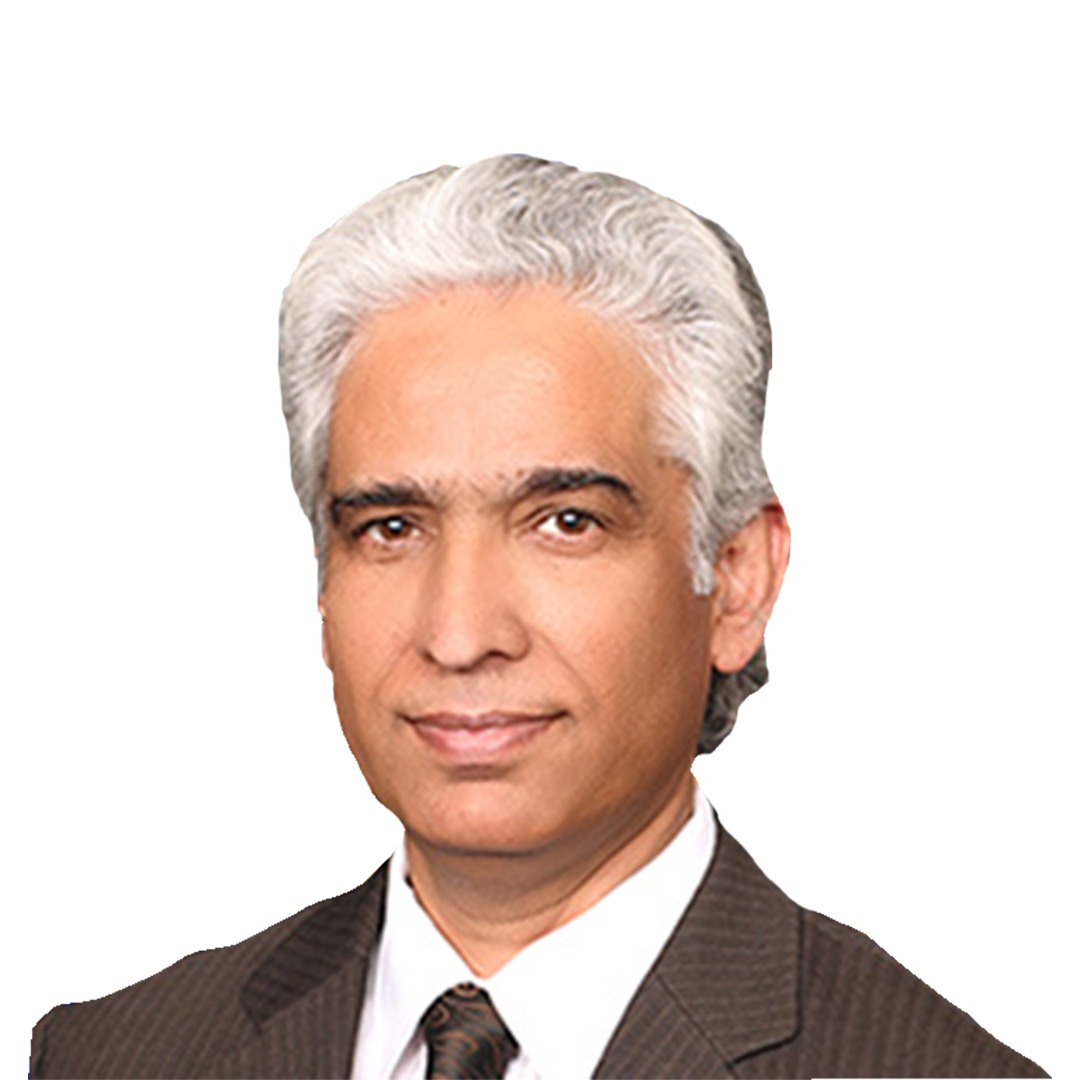
Program Lead Hassan Raza Shah
He has spent 15000+ hours in training/teaching arenas in capacity of lead Trainer, predominantly in private sector.
His academic qualifications include a master’s degree in business administration (MBA) from University of Baltimore, Baltimore, Maryland USA and a master’s degree in public administration (MPA) from University of the Punjab, Lahore, Pakistan.